Overview
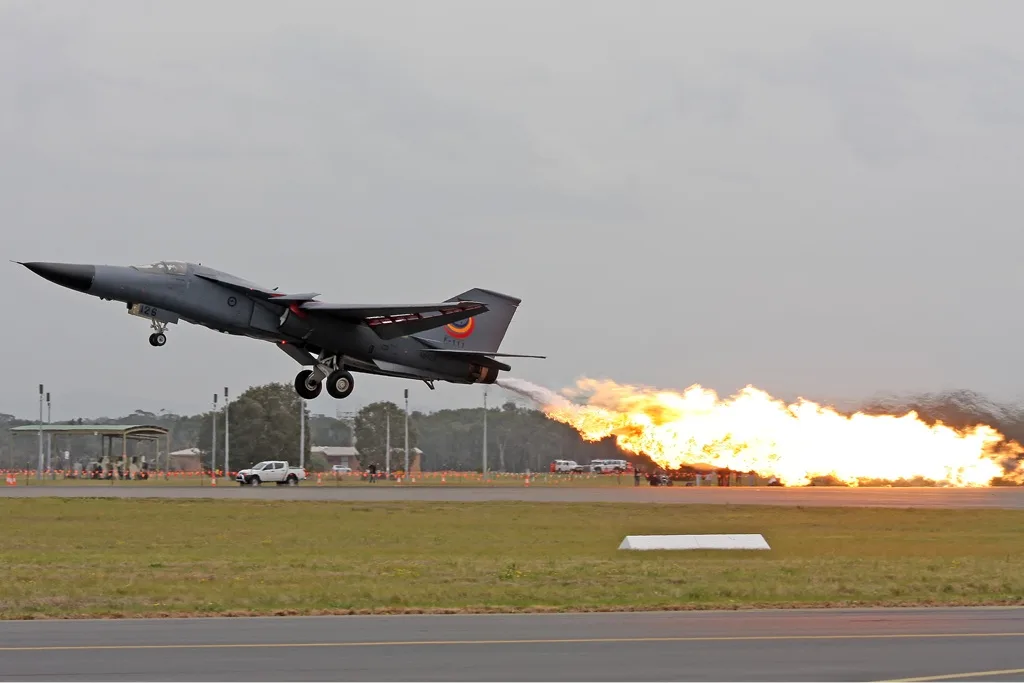
The F-111 was the first production aircraft with variable-sweep wings, and one of the first with terrain-following radar, letting it race at very low level at night and in bad weather.
After a troubled start in the 1960s it became a feared long-range strike aircraft, used in Vietnam, against Libya in 1986 and in the 1991 Gulf War. Its two crew sat side by side in a cockpit that ejected as a single capsule. Australia was the last operator, retiring its F-111Cs in 2010. Specifications are for the F-111F.
Specifications
Dimensions
| Length | 22.40 m |
|---|---|
| Wingspan | 19.20 m |
| Height | 5.22 m |
| Wing area | 61.1 m² |
Weights & fuel
| Empty weight | 21,537 kg |
|---|---|
| Max. take-off weight | 45,300 kg |
Performance
| Max. speed | 2,655 km/h |
|---|---|
| Max. Mach | Mach 2.50 |
| Ferry range | 5,190 km |
| Combat radius | 2,140 km |
| Service ceiling | 20,100 m |
| Rate of climb | 131.0 m/s |
Crew & capacity
| Crew | 2 |
|---|---|
| Hardpoints | 8 |
Powerplant
| Engines | 2 |
|---|---|
| Engine model | Pratt & Whitney TF30-P-100 |
| Thrust (each) | 79.6 kN |
| Thrust with afterburner (each) | 112.0 kN |
Figures are compiled from public sources and may be approximate; they can vary by variant and configuration.
Armament
- Up to about 14,300 kg of bombs and missiles, including laser-guided bombs
- Internal weapons bay (early versions carried a 20 mm M61 cannon there)
Did you know?
The nickname "Aardvark" was used by crews for decades but only became official when the type retired from the US Air Force in 1996.
Photos
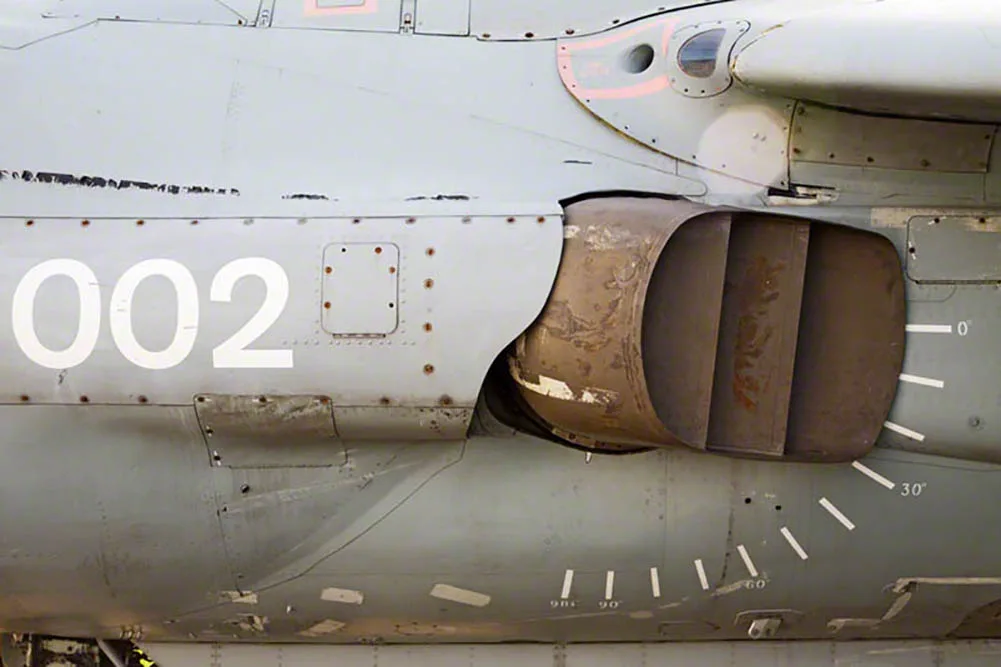
Photo 1: Jeff Gilbert / Wikimedia Commons · GFDL 1.2
Some text and images come from Wikipedia / Wikimedia Commons under CC BY-SA licences.