Overview
The Camel got its name from the hump-shaped cover over its two machine guns. Its rotary engine, in which the whole cylinder block spins with the propeller, created strong torque that made it turn very sharply to the right — deadly in a dogfight, but dangerous for beginners.
Camel pilots were credited with about 1,294 enemy aircraft, more than any other Allied fighter of the war. Specifications are for the F.1.
Specifications
Dimensions
| Length | 5.71 m |
|---|---|
| Wingspan | 8.53 m |
| Height | 2.59 m |
| Wing area | 21.5 m² |
Weights & fuel
| Empty weight | 420 kg |
|---|---|
| Max. take-off weight | 659 kg |
Performance
| Max. speed | 185 km/h |
|---|---|
| Range | 485 km |
| Service ceiling | 5,800 m |
Crew & capacity
| Crew | 1 |
|---|
Powerplant
| Engines | 1 |
|---|---|
| Engine model | Clerget 9B (rotary) |
| Power (each) | 97 kW |
Figures are compiled from public sources and may be approximate; they can vary by variant and configuration.
Armament
- Two synchronised 7.7 mm (.303 in) Vickers machine guns firing through the propeller
- Up to four 25 lb (11 kg) bombs
Did you know?
In the "Peanuts" comic strip, Snoopy imagines flying a Sopwith Camel against the Red Baron.
Photos
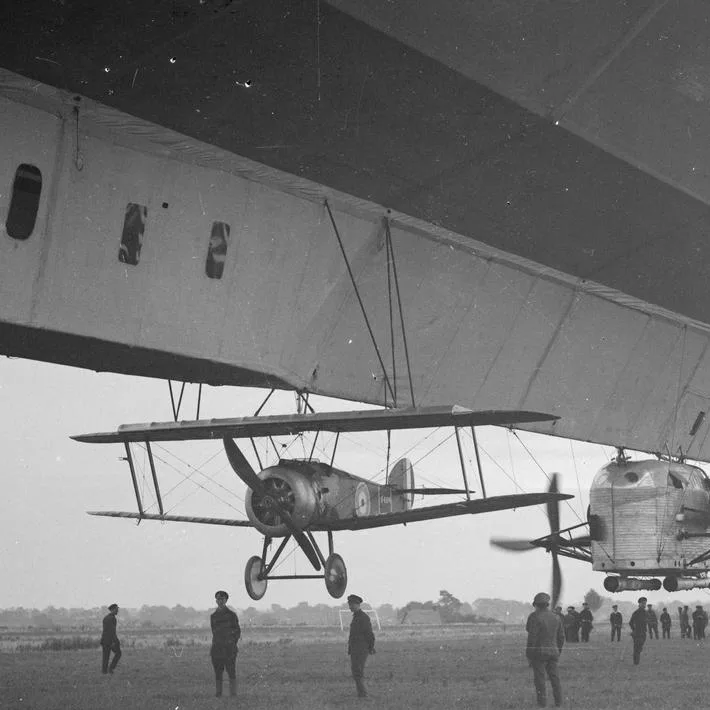
Photo 1: assumed British Government / Wikimedia Commons · Public domain
Some text and images come from Wikipedia / Wikimedia Commons under CC BY-SA licences.