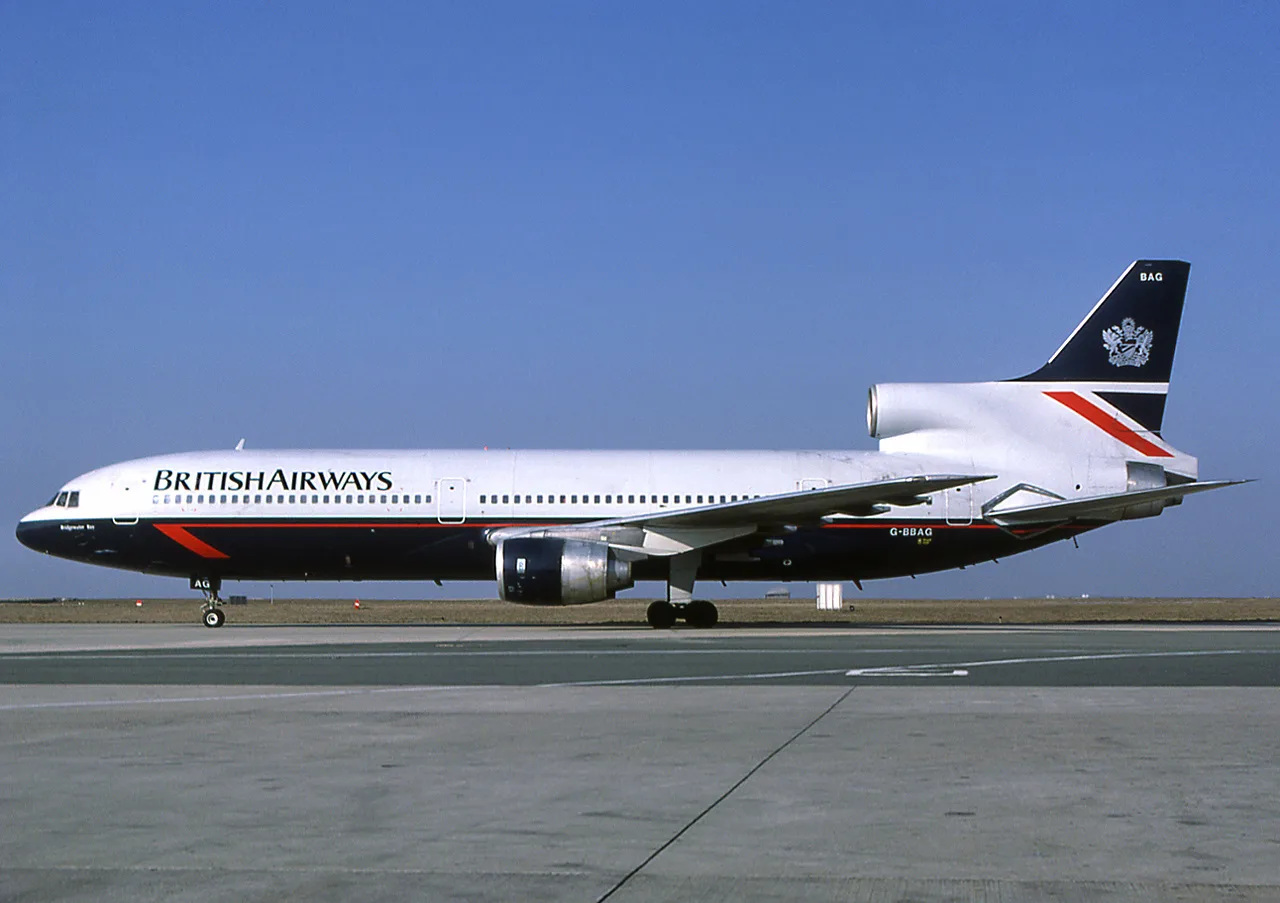
Overview
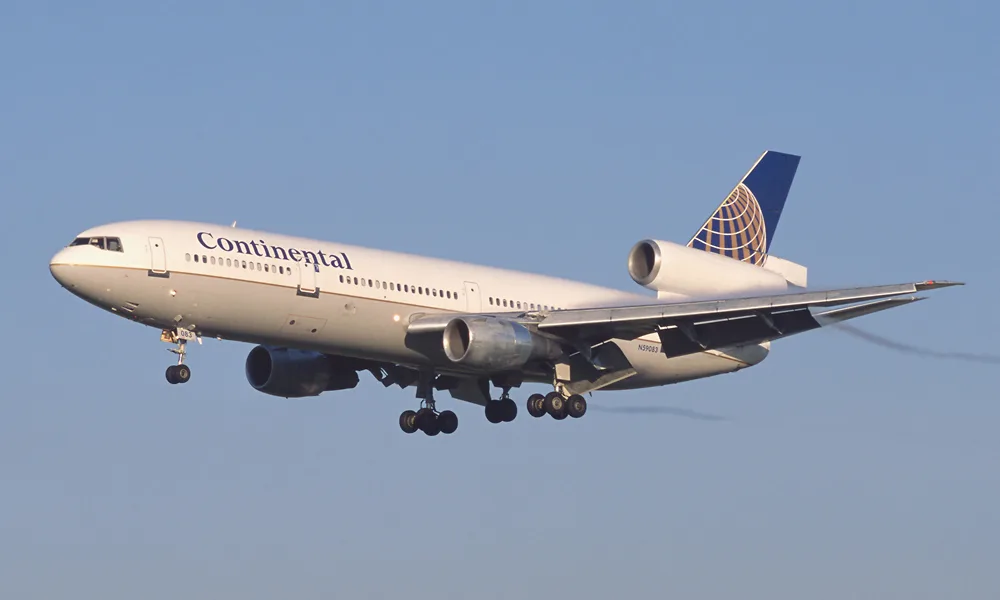
Lockheed's only jet airliner, the TriStar was technically ahead of its time, with Rolls-Royce RB211 engines and an autopilot that could land the aircraft in fog. Engine development problems drove Rolls-Royce into bankruptcy in 1971 and delayed the programme, and only 250 were sold before Lockheed left the airliner business.
Air Lanka, the forerunner of SriLankan Airlines, flew TriStars on its international network in the 1980s and 1990s. Specifications are for the L-1011-1; the long-range L-1011-500 could fly about twice as far.
Specifications
Dimensions
| Length | 54.17 m |
|---|---|
| Wingspan | 47.35 m |
| Height | 16.87 m |
| Wing area | 320.0 m² |
Weights & fuel
| Empty weight | 109,000 kg |
|---|---|
| Max. take-off weight | 195,045 kg |
Performance
| Cruise speed | 890 km/h |
|---|---|
| Max. Mach | Mach 0.90 |
| Range | 4,963 km |
| Service ceiling | 12,800 m |
Crew & capacity
| Crew | 3 |
|---|---|
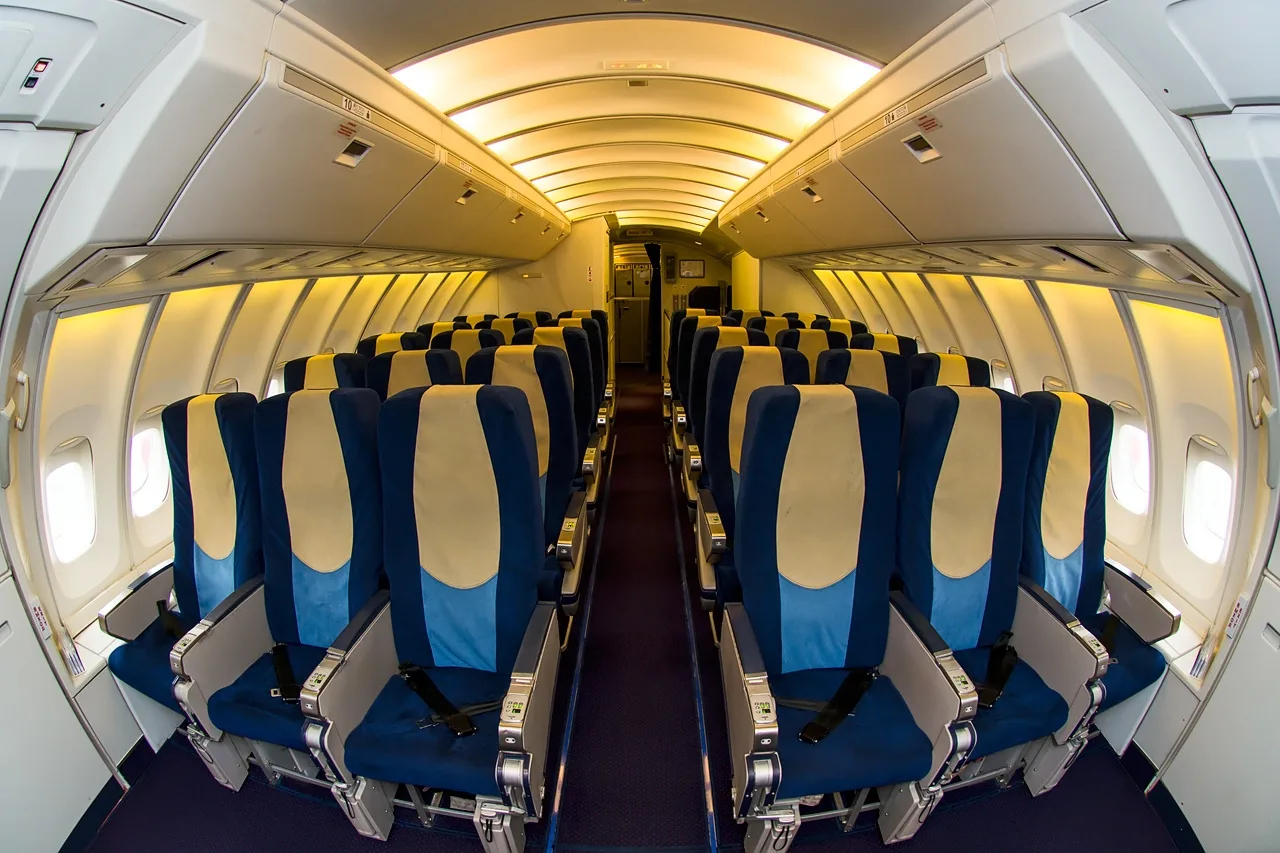
| Seats (typical) | 256 |
| Seats (max.) | 400 |
Powerplant
| Engines | 3 |
|---|---|
| Engine model | Rolls-Royce RB211-22B |
| Thrust (each) | 187.0 kN |
Figures are compiled from public sources and may be approximate; they can vary by variant and configuration.
Did you know?
One TriStar, Northrop Grumman's "Stargazer", has been used as a flying launch pad for Pegasus space rockets.
Photos
Photo 1: Michel Gilliand / Wikimedia Commons · GFDL 1.2
Some text and images come from Wikipedia / Wikimedia Commons under CC BY-SA licences.