Overview
The Langley 2-4, variously described as the Langley Monoplane or Langley Twin was a twin-engine utility aircraft built in the United States in 1940. Named in honour of Samuel Pierpont Langley, the aircraft was designed to make use of non-strategic materials in its construction and thereby avoid any shortages brought about by war. Its design was conventional - a low-wing cantilever monoplane with twin tails and tailwheel undercarriage. The manufacturing process, however, was unorthodox, and the aircraft's structures were built up from mahogany veneers bent over moulds and impregnated with vinyl and phenol resins to make them hold their shape. The use of metal for structural elements - even in fasteners - was thereby almost completely avoided.
Specifications
Figures are compiled from public sources and may be approximate; they can vary by variant and configuration.
Photos
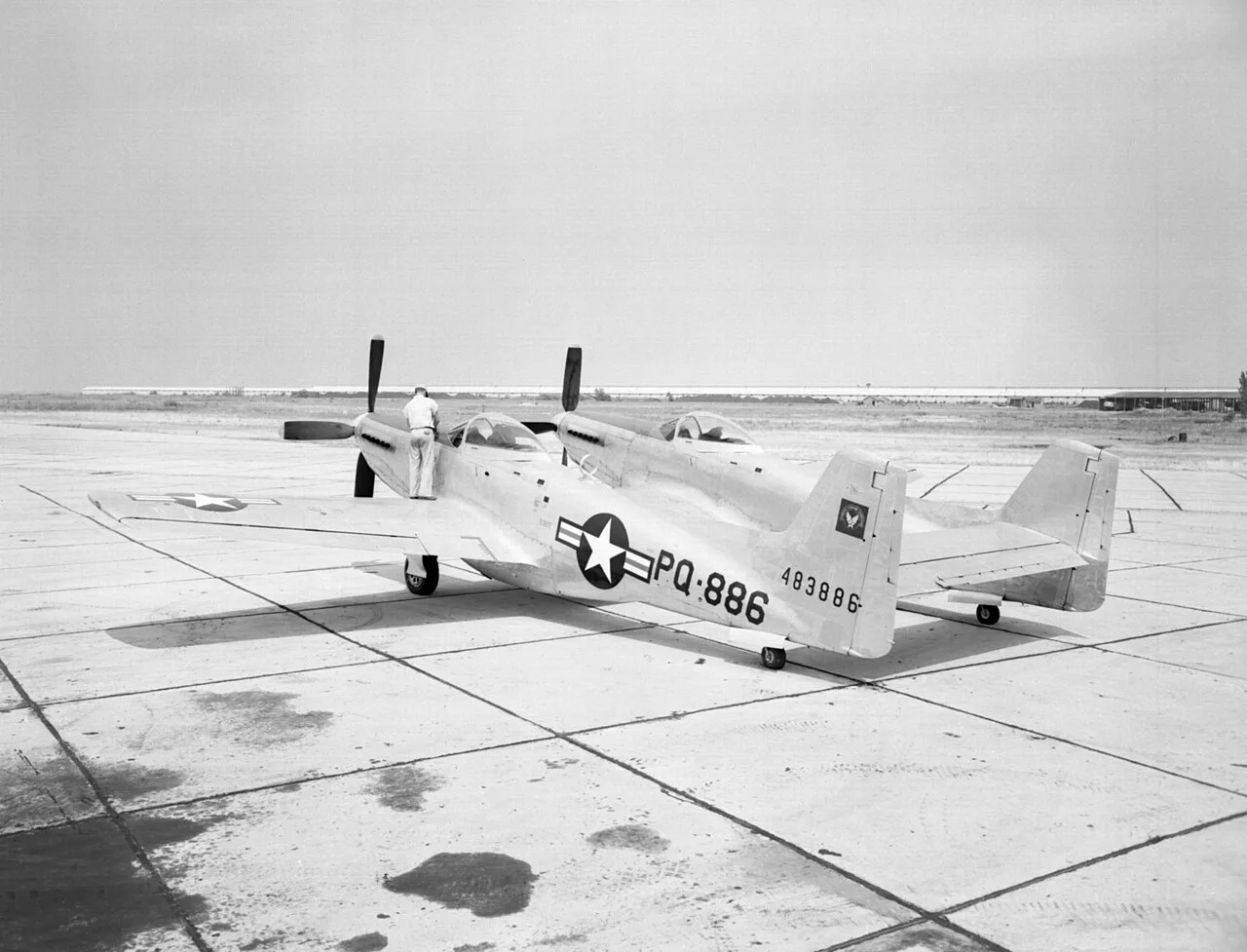
Photo 1: NASA / Wikimedia Commons · Public domain
Some text and images come from Wikipedia / Wikimedia Commons under CC BY-SA licences. Source