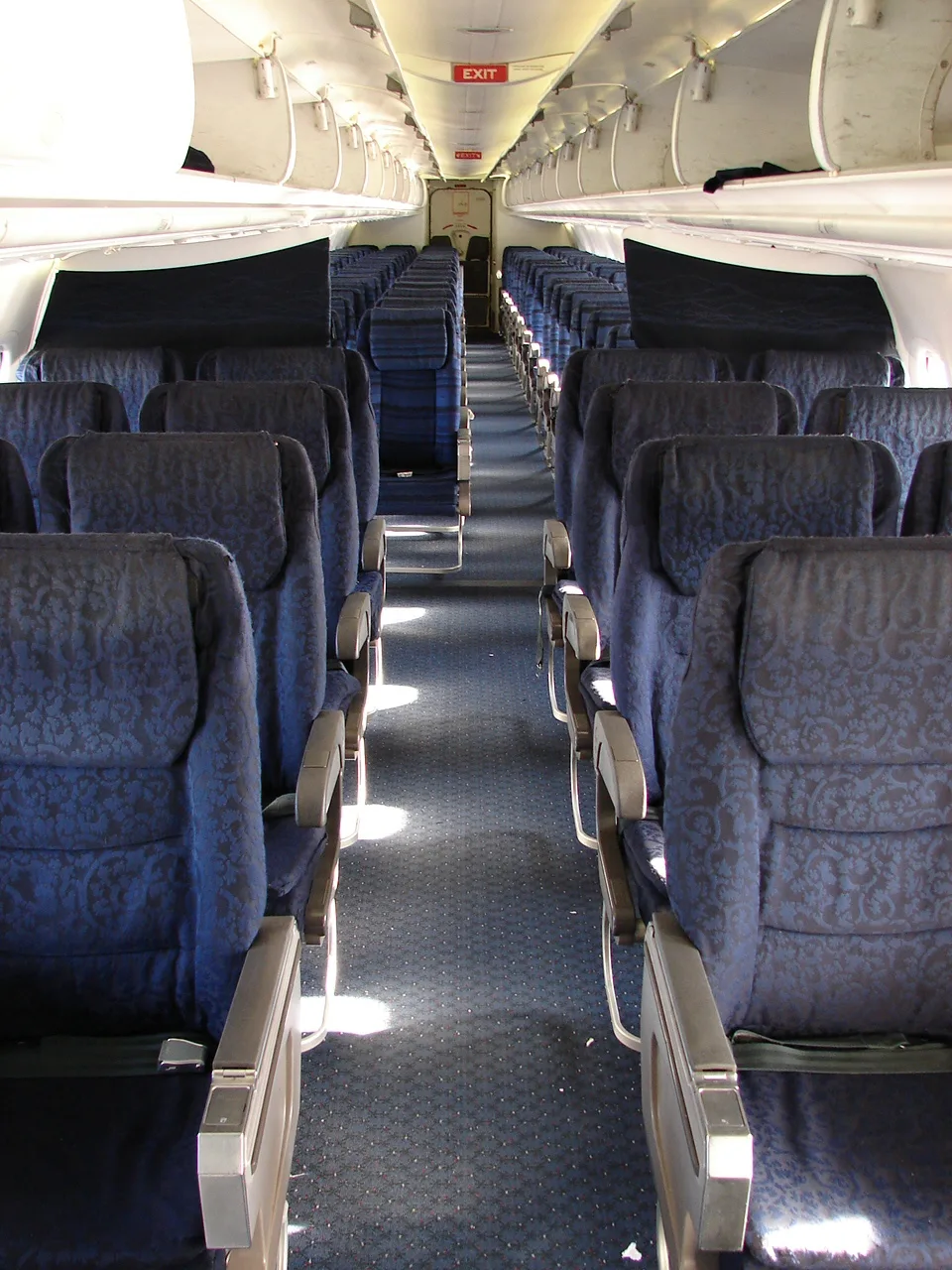
Overview
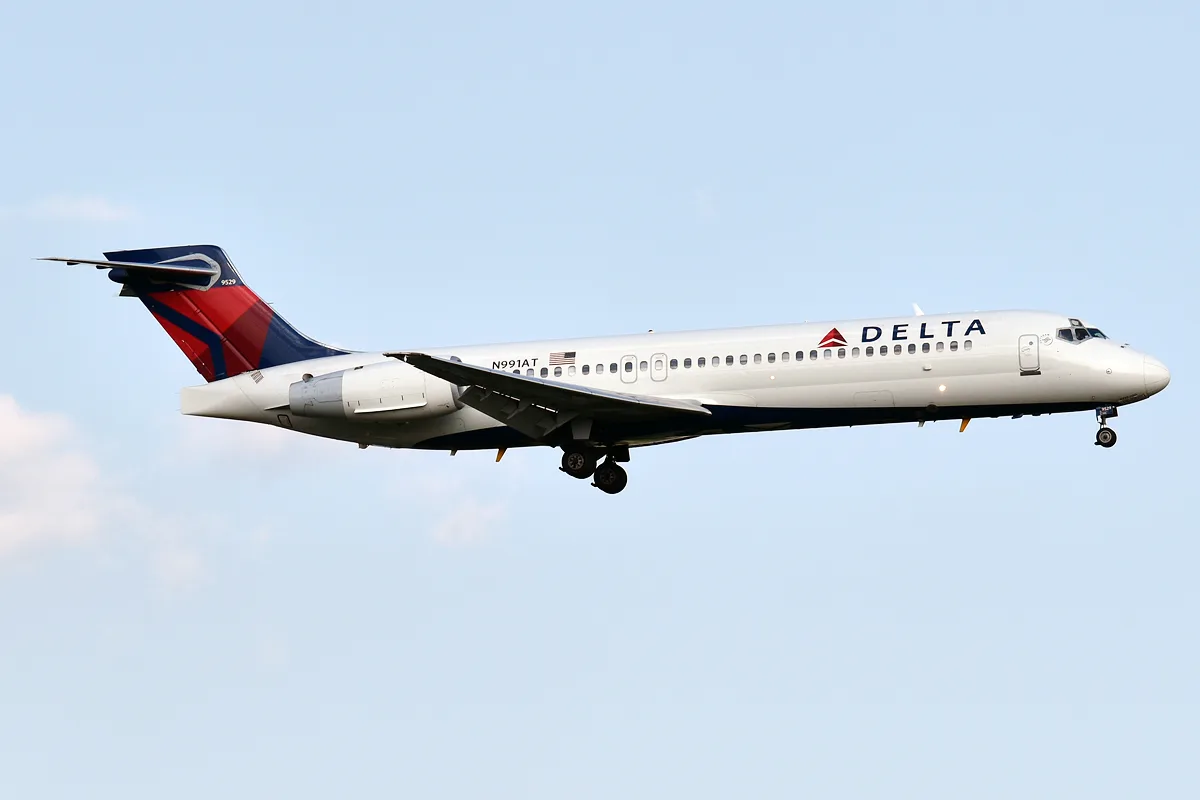
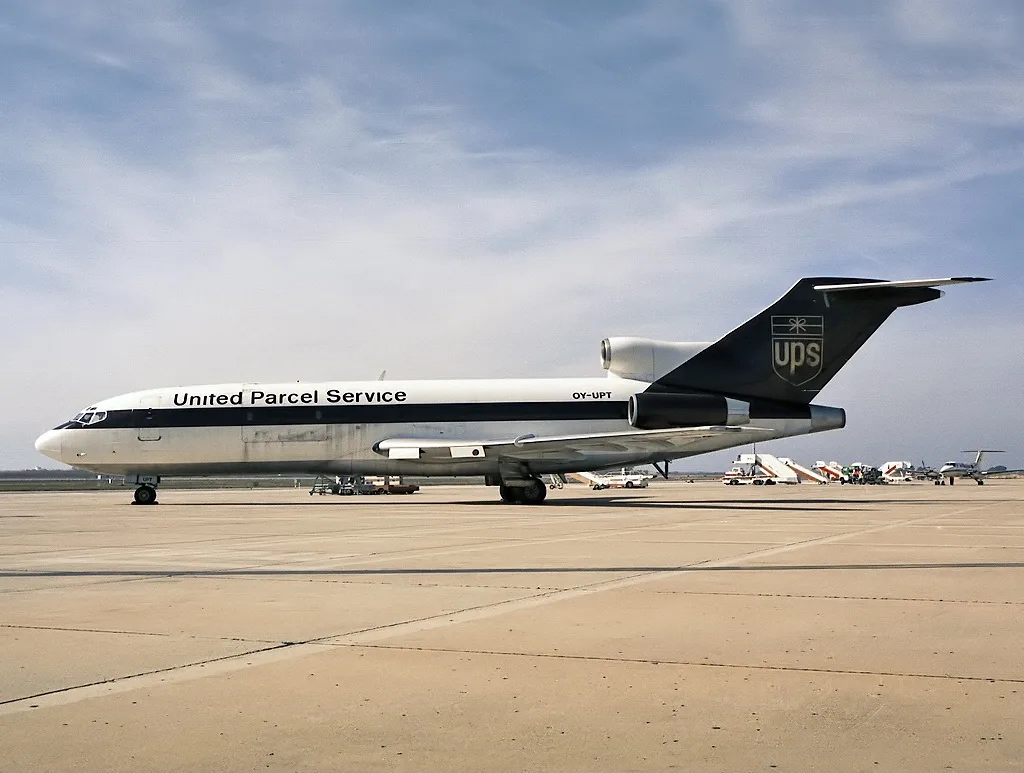
The DC-9 was designed for short, frequent flights from smaller airports, with two rear-mounted engines, a T-tail and a built-in airstair so it needed little ground equipment. It flew in 1965 and was so successful that its basic design lived on in the MD-80, MD-90 and Boeing 717.
Specifications are for the popular DC-9-30. Delta flew the last scheduled DC-9 passenger services in the United States in 2014, and almost all have now been retired.
Specifications
Dimensions
| Length | 36.37 m |
|---|---|
| Wingspan | 28.47 m |
| Height | 8.38 m |
| Wing area | 93.0 m² |
Weights & fuel
| Empty weight | 25,940 kg |
|---|---|
| Max. take-off weight | 54,900 kg |
Performance
| Cruise speed | 898 km/h |
|---|---|
| Max. Mach | Mach 0.84 |
| Range | 2,778 km |
| Service ceiling | 11,300 m |
Crew & capacity
| Crew | 2 |
|---|---|
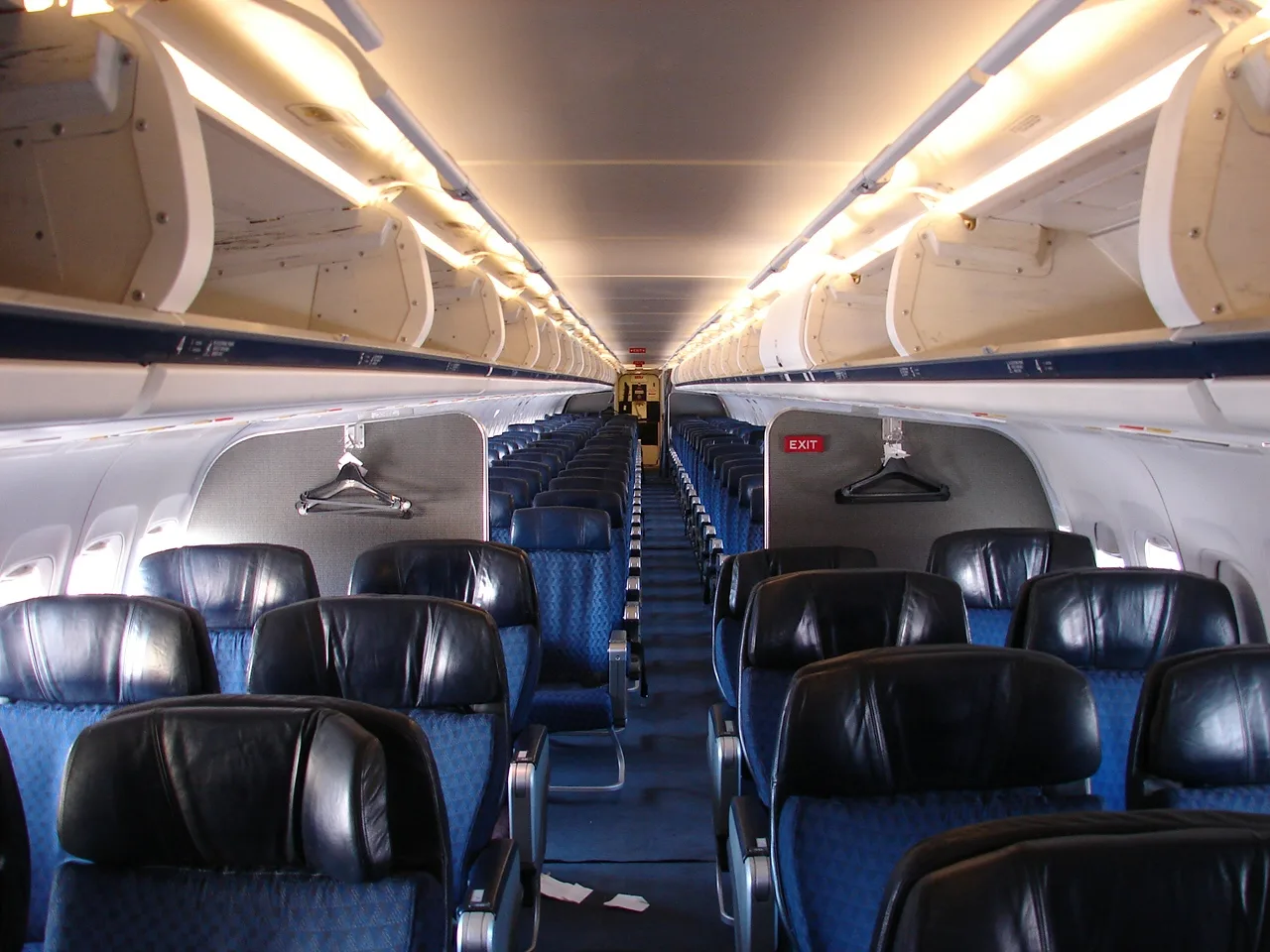
| Seats (typical) | 115 |
| Seats (max.) | 127 |
Powerplant
| Engines | 2 |
|---|---|
| Engine model | Pratt & Whitney JT8D-7/-9 |
| Thrust (each) | 64.5 kN |
Figures are compiled from public sources and may be approximate; they can vary by variant and configuration.
Did you know?
Some DC-9s served for nearly 50 years — among the longest careers of any jet airliner.
Photos
Photo 1: Cory W. Watts from Madison, Wisconsin, United States of America / Wikimedia Commons · CC BY-SA 2.0
Some text and images come from Wikipedia / Wikimedia Commons under CC BY-SA licences.