Overview
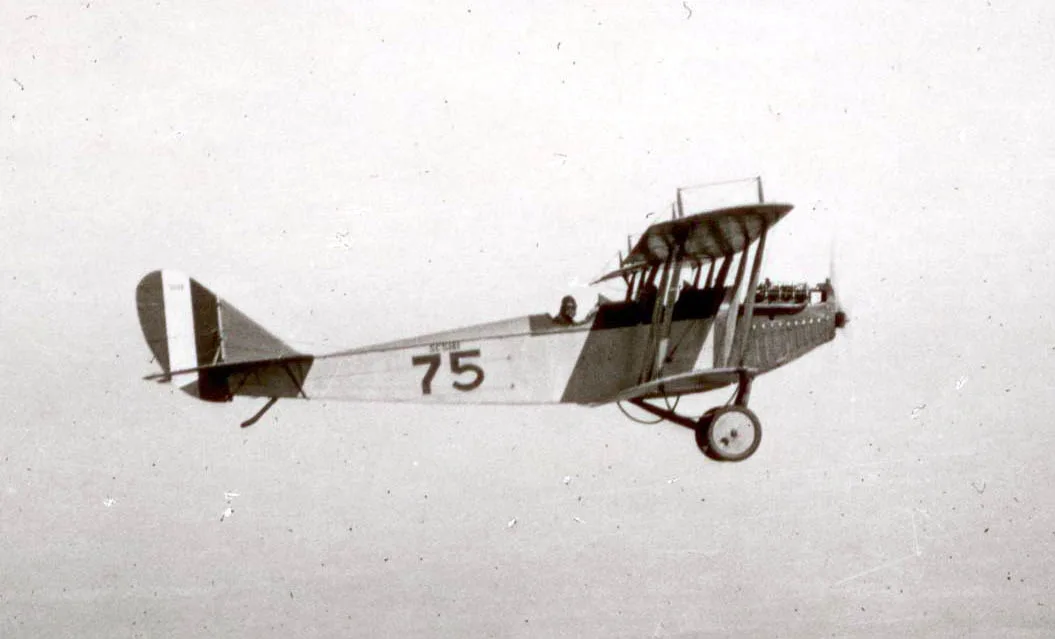
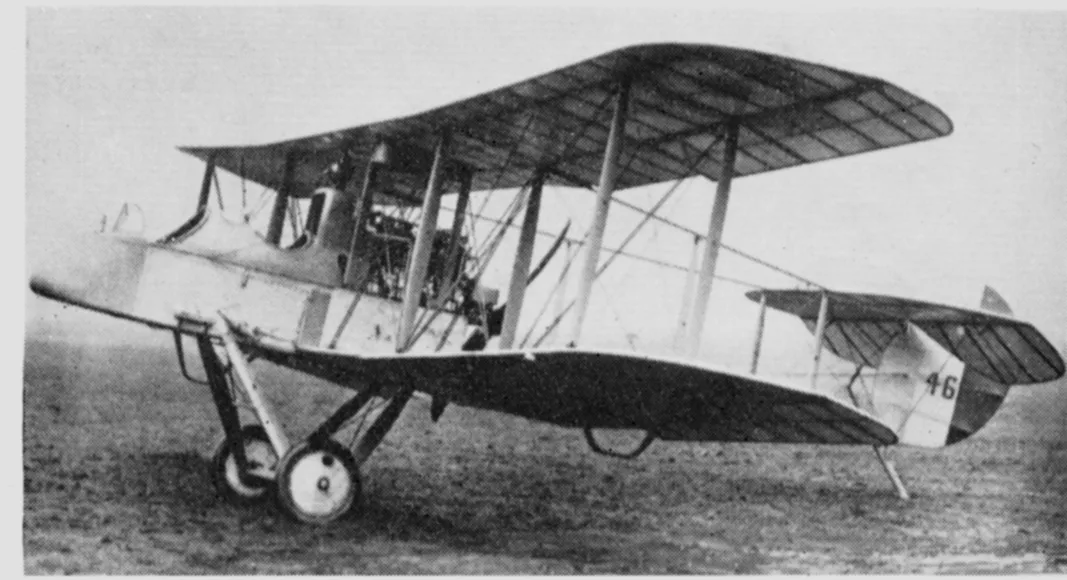
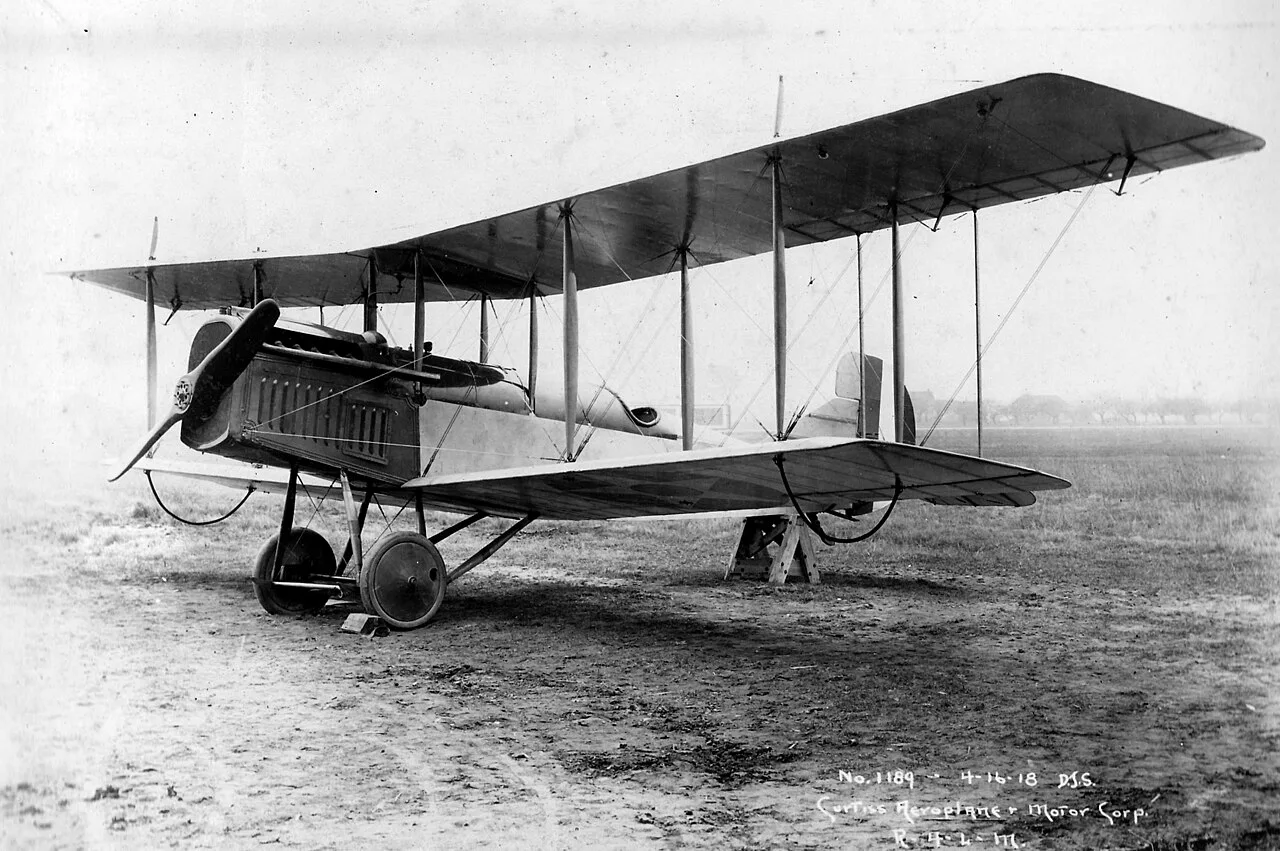
The Curtiss Model R was a utility aircraft produced for the United States Army and Navy during World War I. It was a conventional, two-bay biplane with slightly staggered wings of unequal span. The aircraft was provided with two open cockpits in tandem and fixed tailskid undercarriage, but many were built for the Navy with twin floats replacing the wheels. During the course of the war, Model Rs were used for general liaison and communication duties, as well for observation, training, and as air ambulances. In practice, the Curtiss powerplants supplied with these aircraft proved insufficient and were mostly replaced with Liberty engines. The Navy's Model R-3 floatplane had extended-span, three-bay wings, and was intended for use as a torpedo bomber. Some of these were later fitted with wheeled undercarriage and transferred to the Army as bombers under the designation Model R-9.
Specifications
Figures are compiled from public sources and may be approximate; they can vary by variant and configuration.
Photos
Photo 1: U.S. Navy / Wikimedia Commons · Public domain
Some text and images come from Wikipedia / Wikimedia Commons under CC BY-SA licences. Source