Overview
The B-17 was the backbone of the American daylight bombing campaign against Germany. Flying in tight formations, each bomber bristled with up to 13 heavy machine guns for self-defence, and it was famous for bringing crews home despite terrible damage.
About 12,700 were built. Losses were very heavy until long-range escort fighters such as the P-51 Mustang arrived in 1944. Specifications are for the B-17G.
Specifications
Dimensions
| Length | 22.66 m |
|---|---|
| Wingspan | 31.62 m |
| Height | 5.82 m |
| Wing area | 131.9 m² |
Weights & fuel
| Empty weight | 16,391 kg |
|---|---|
| Max. take-off weight | 29,710 kg |
Performance
| Max. speed | 462 km/h |
|---|---|
| Cruise speed | 293 km/h |
| Range | 3,219 km |
| Service ceiling | 10,850 m |
Crew & capacity
| Crew | 10 |
|---|
Powerplant
| Engines | 4 |
|---|---|
| Engine model | Wright R-1820-97 Cyclone (turbocharged radial) |
| Power (each) | 890 kW |
Figures are compiled from public sources and may be approximate; they can vary by variant and configuration.
Armament
- 13 × 12.7 mm (.50 in) M2 Browning machine guns
- Typical bomb load about 2,000–3,600 kg
Did you know?
The B-17 "Memphis Belle" became famous as one of the first bombers whose crew completed 25 missions over Europe.
Photos
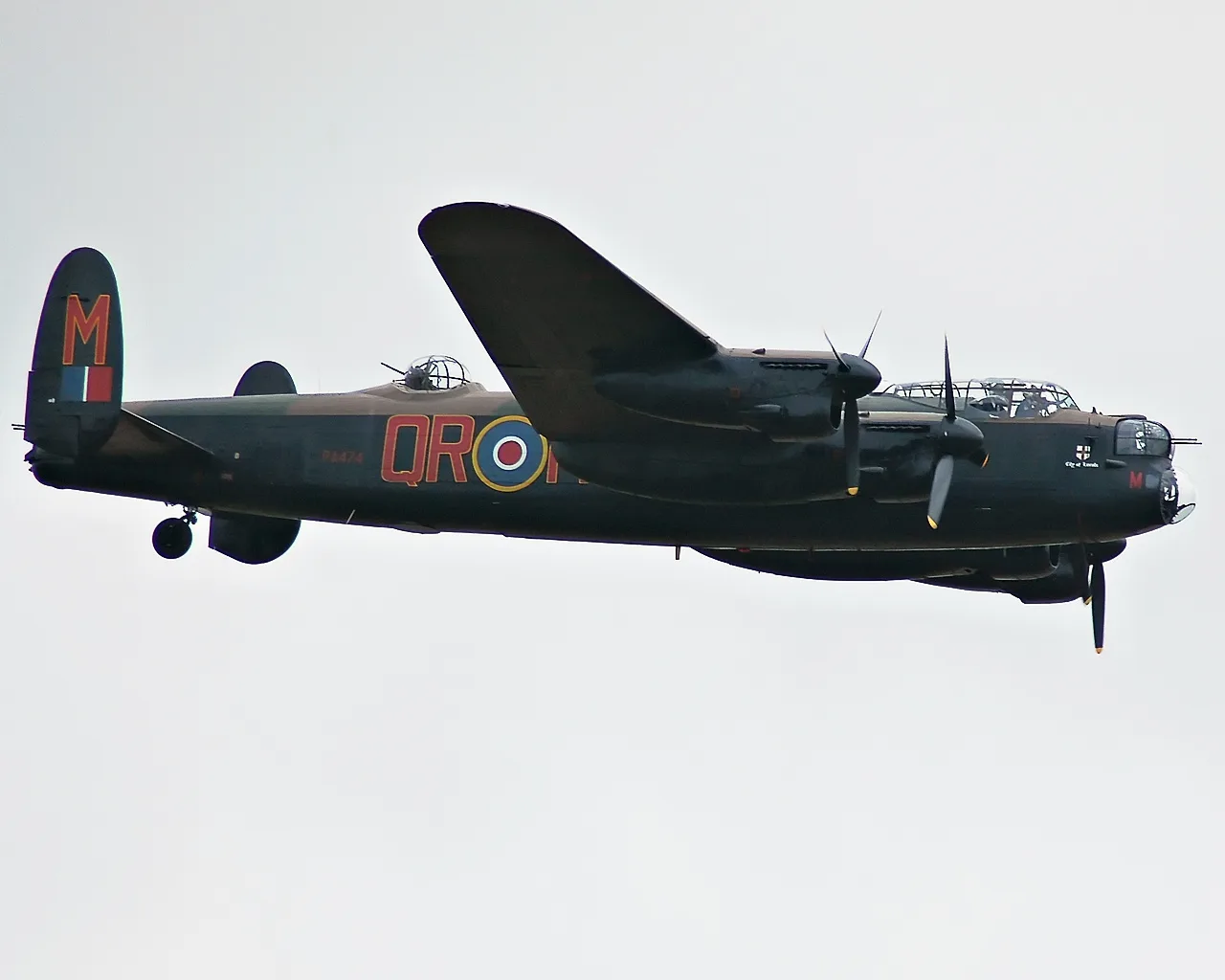
Photo 1: Emoscopes / Wikimedia Commons · CC BY-SA 2.5
Some text and images come from Wikipedia / Wikimedia Commons under CC BY-SA licences.