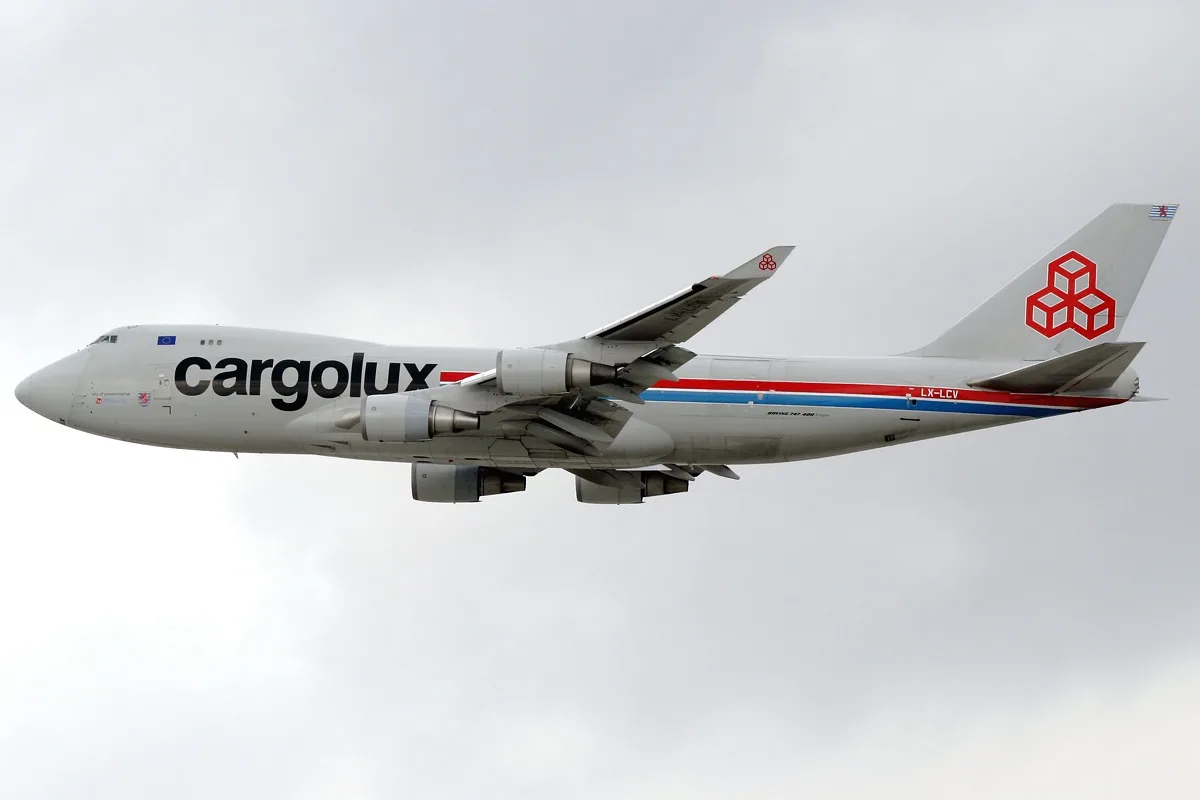
Overview
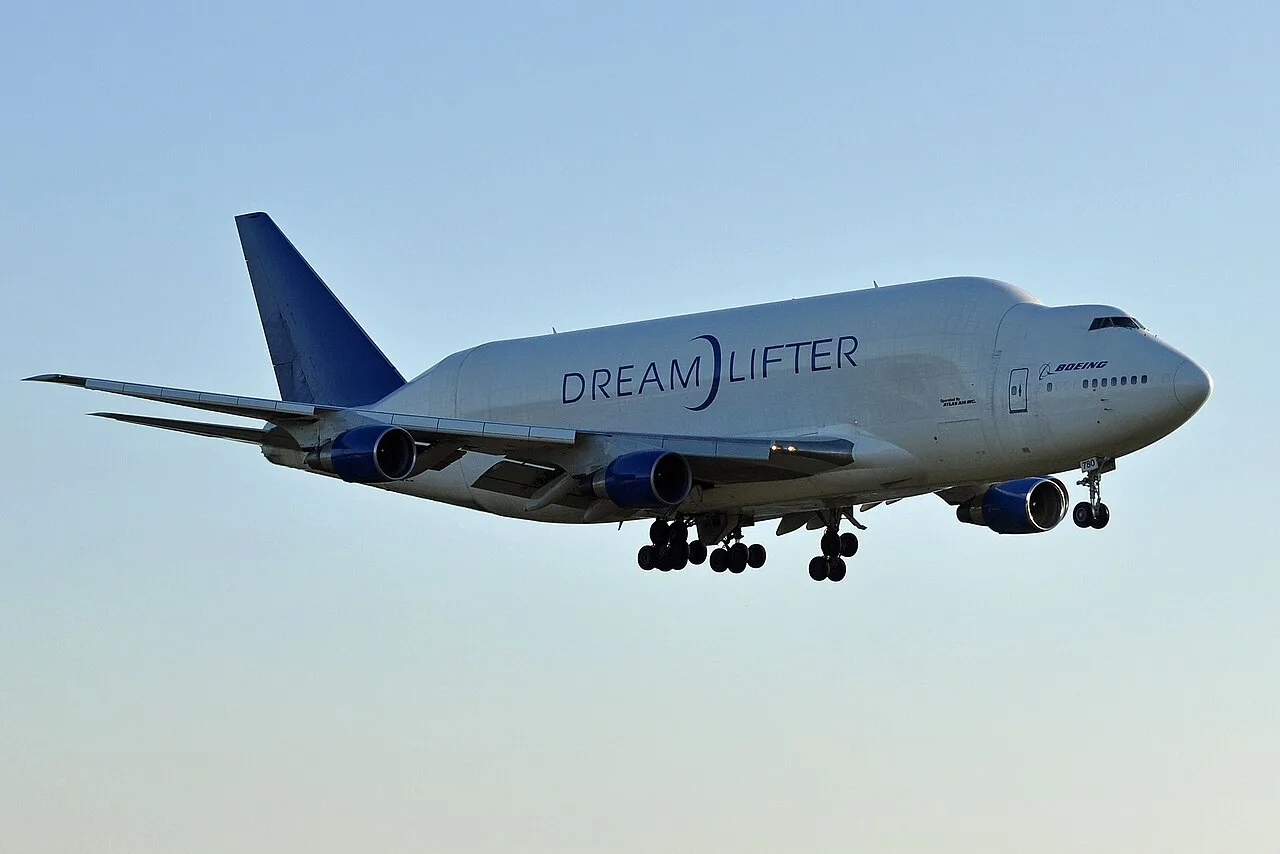
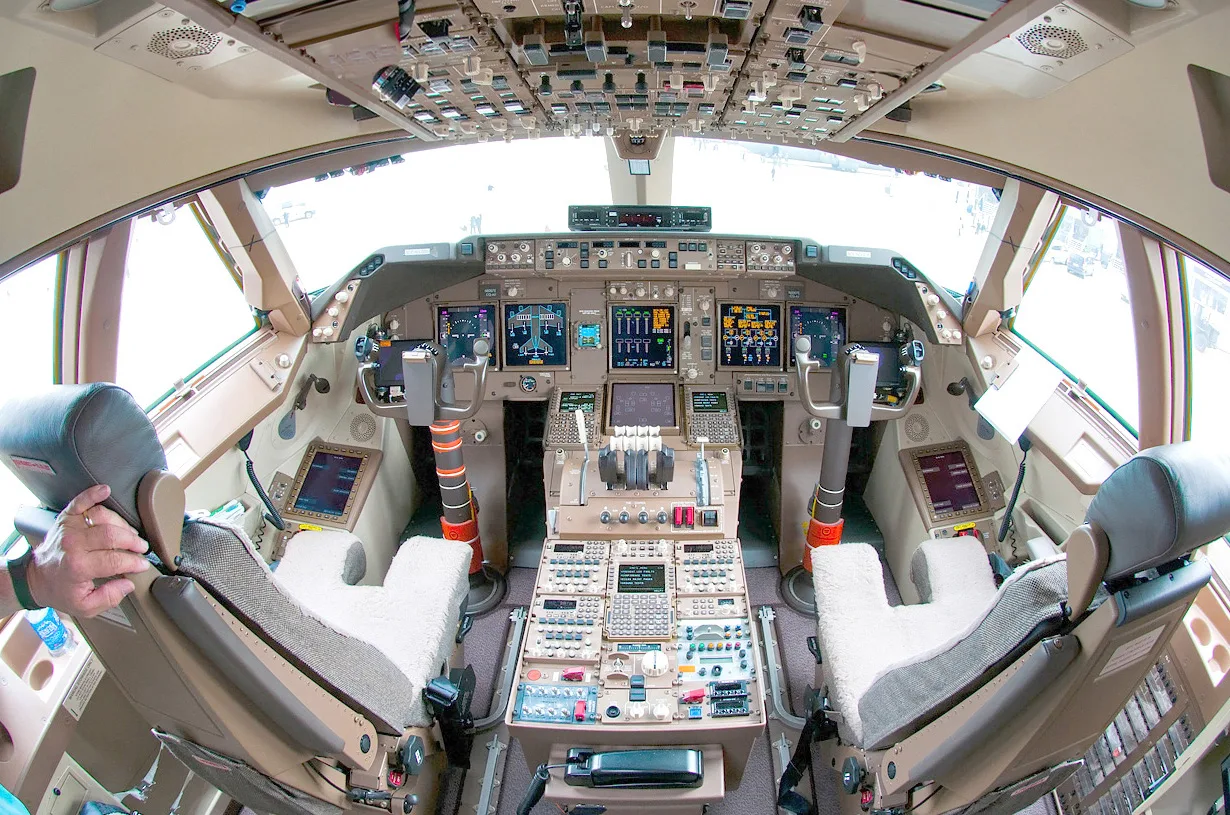
The 747-400 added a two-crew glass cockpit, winglets and longer range to the original jumbo jet. It was the best-selling 747 variant and for years the symbol of long-haul air travel.
Most passenger 747-400s have now retired, but many still fly as freighters.
Specifications
Dimensions
| Length | 70.60 m |
|---|---|
| Wingspan | 64.40 m |
| Height | 19.40 m |
| Wing area | 525.0 m² |
Weights & fuel
| Empty weight | 178,756 kg |
|---|---|
| Max. take-off weight | 396,890 kg |
| Fuel capacity | 216,840 L |
Performance
| Max. speed | 988 km/h |
|---|---|
| Cruise speed | 913 km/h |
| Max. Mach | Mach 0.92 |
| Range | 13,450 km |
| Service ceiling | 13,700 m |
Crew & capacity
| Crew | 2 |
|---|---|
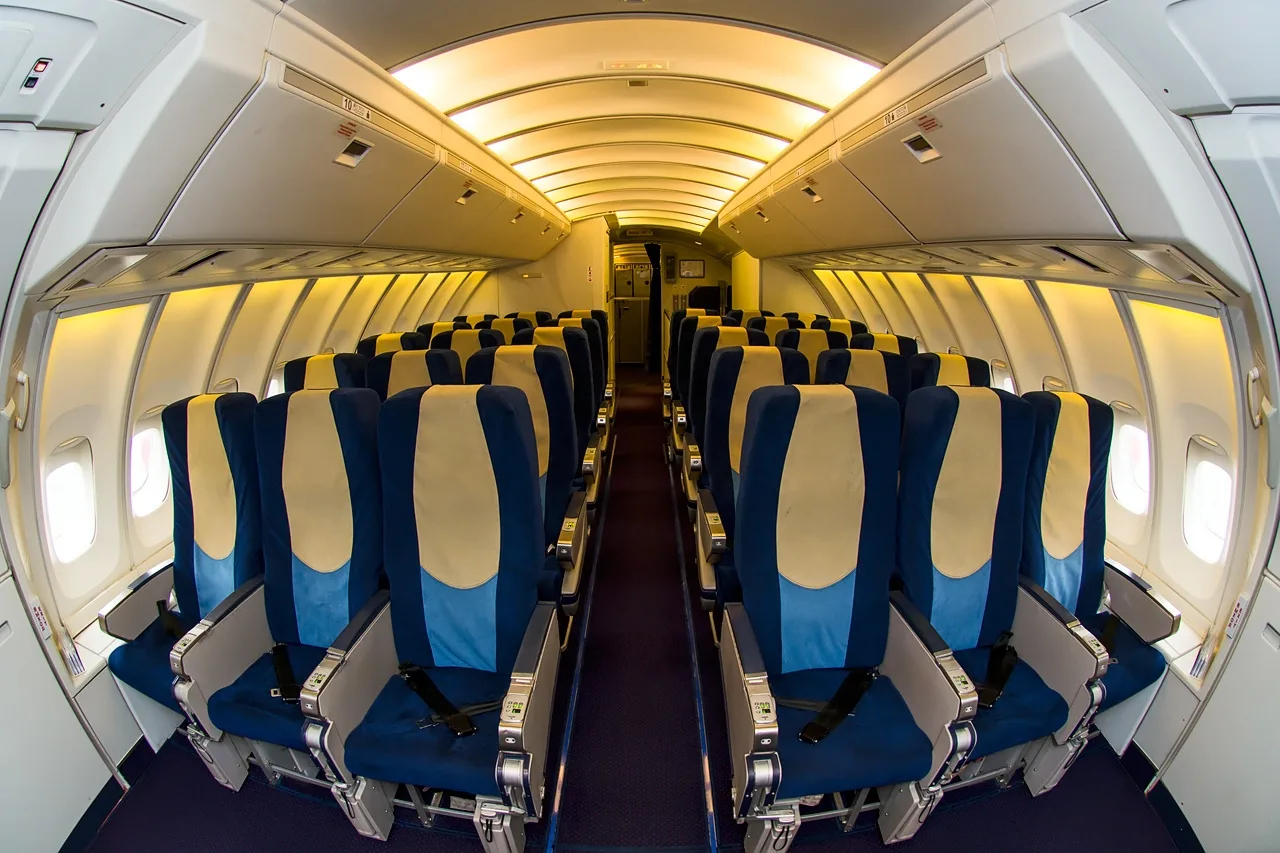
| Seats (typical) | 416 |
| Seats (max.) | 660 |
Powerplant
| Engines | 4 |
|---|---|
| Engine model | PW4000, CF6-80C2 or RB211-524 |
| Thrust (each) | 282.0 kN |
Figures are compiled from public sources and may be approximate; they can vary by variant and configuration.
Did you know?
The 747's famous upper-deck hump exists because it was designed so the nose could swing open for cargo loading.
Photos
Photo 1: Dale Coleman / Wikimedia Commons · GFDL 1.2
Some text and images come from Wikipedia / Wikimedia Commons under CC BY-SA licences.