Overview
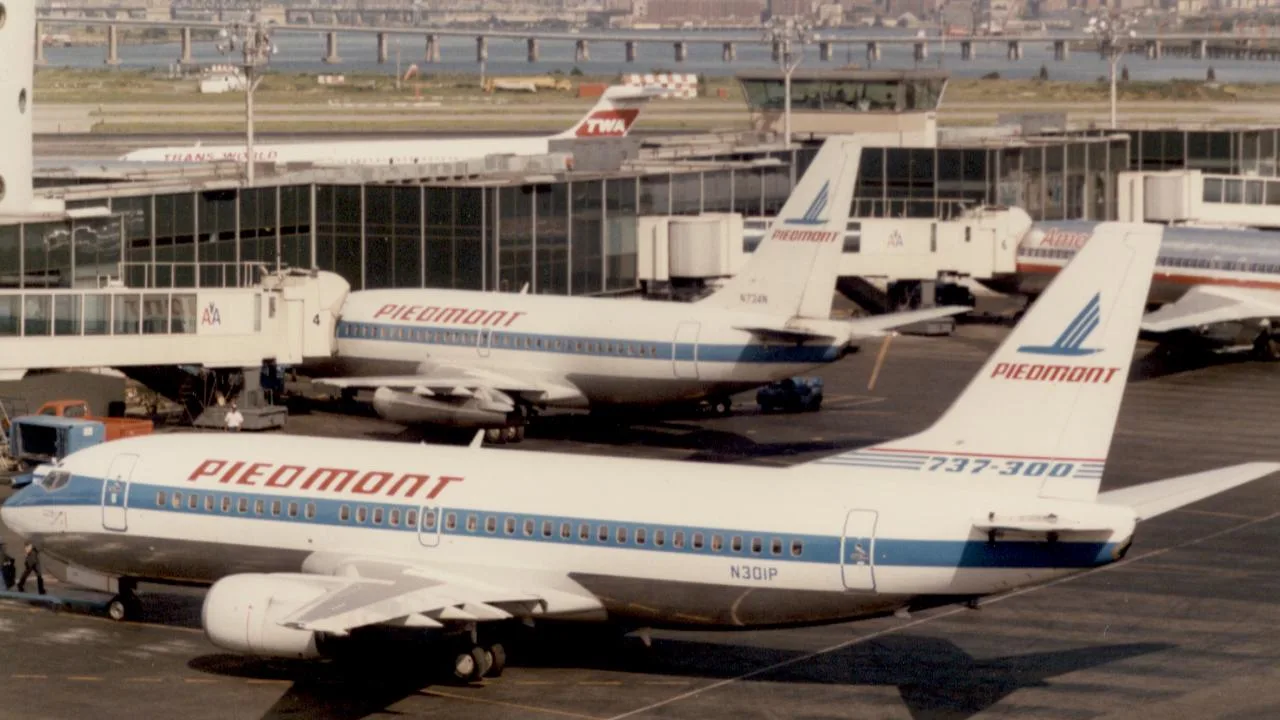
The 737-300 launched the "Classic" generation of the 737 in 1984. It was slightly longer than the 737-200 and swapped the old, noisy JT8D engines for the far more efficient CFM56 turbofan, mounted in flattened nacelles under the low wing.
Together with the 737-400 and 737-500, the Classics sold almost 2,000 aircraft and paved the way for today's Next-Generation and MAX models. Many now fly as freighters.
Specifications
Dimensions
| Length | 33.40 m |
|---|---|
| Wingspan | 28.90 m |
| Height | 11.10 m |
| Wing area | 91.0 m² |
Weights & fuel
| Empty weight | 32,700 kg |
|---|---|
| Max. take-off weight | 62,820 kg |
| Fuel capacity | 20,100 L |
Performance
| Cruise speed | 794 km/h |
|---|---|
| Max. Mach | Mach 0.82 |
| Range | 4,176 km |
| Service ceiling | 11,300 m |
Crew & capacity
| Crew | 2 |
|---|---|
| Seats (typical) | 128 |
| Seats (max.) | 149 |
Powerplant
| Engines | 2 |
|---|---|
| Engine model | CFM International CFM56-3B |
| Thrust (each) | 89.0 kN |
Figures are compiled from public sources and may be approximate; they can vary by variant and configuration.
Did you know?
The engine intakes have a flat bottom, nicknamed the "hamster pouch", because the 737 sits so low that a round CFM56 nacelle would have come too close to the ground.
Photos
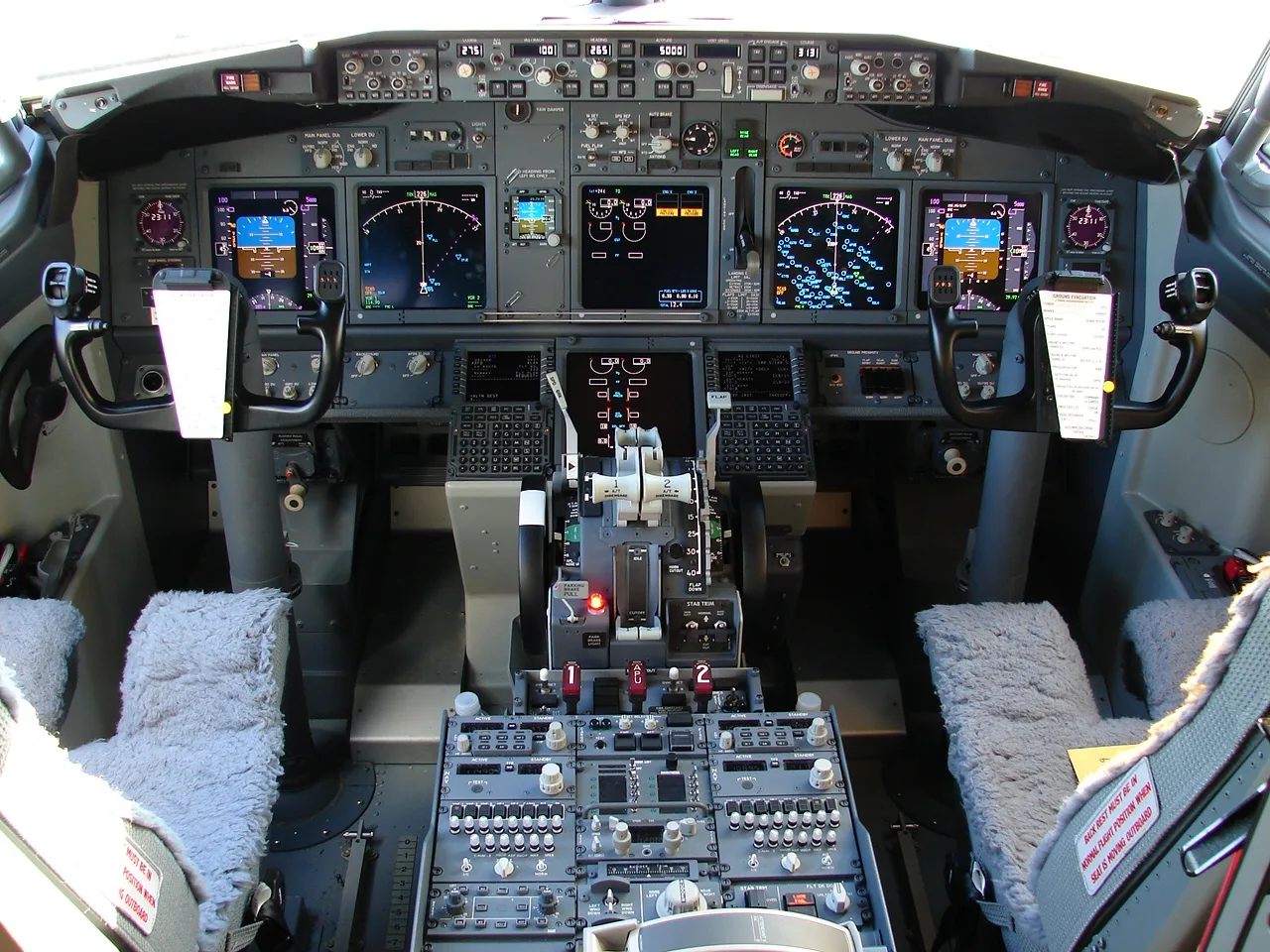
Photo 1: Uploaded by RuthAS / Wikimedia Commons · CC BY 3.0
Some text and images come from Wikipedia / Wikimedia Commons under CC BY-SA licences.