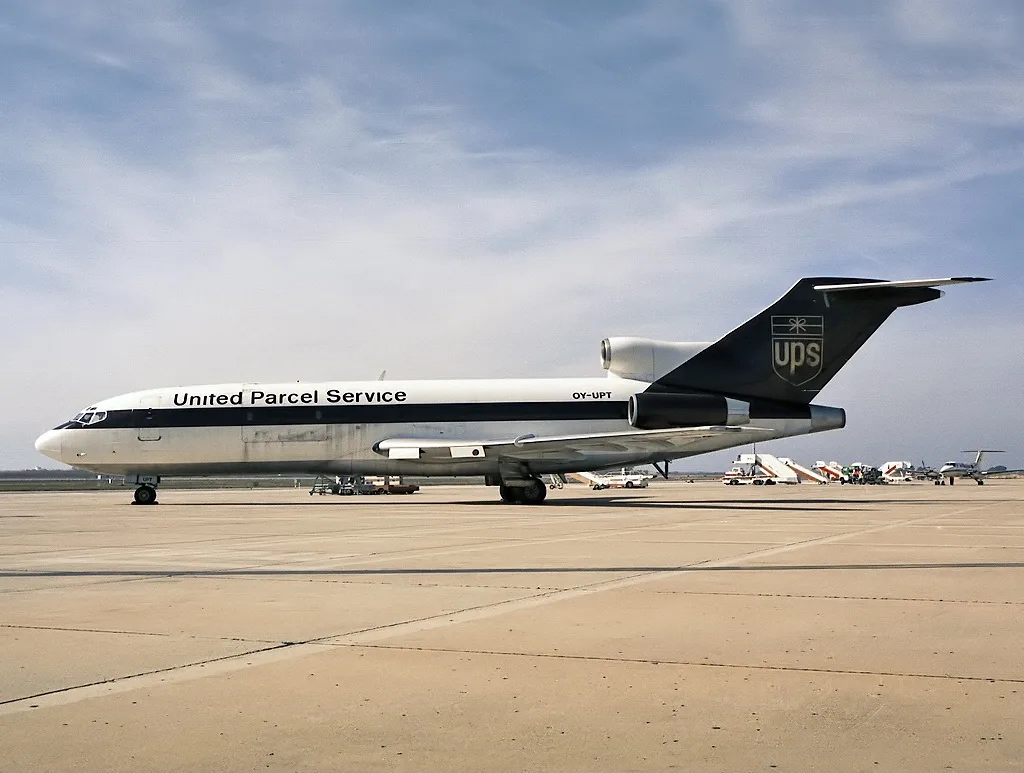
Overview
The 727 was designed to fly from shorter runways at smaller airports, using three rear-mounted engines, a T-tail and powerful high-lift flaps. The stretched 727-200 became the most popular version, and the 727 was the world's best-selling jetliner until the 737 overtook it.
After passenger service ended, many were converted to freighters; only a handful still fly today. Specifications are for the 727-200 Advanced. Figure for units built covers all 727s.
Specifications
Dimensions
| Length | 46.69 m |
|---|---|
| Wingspan | 32.92 m |
| Height | 10.36 m |
| Wing area | 157.9 m² |
Weights & fuel
| Empty weight | 46,164 kg |
|---|---|
| Max. take-off weight | 95,028 kg |
Performance
| Cruise speed | 870 km/h |
|---|---|
| Max. Mach | Mach 0.90 |
| Range | 4,020 km |
| Service ceiling | 12,800 m |
Crew & capacity
| Crew | 3 |
|---|---|
| Seats (typical) | 155 |
| Seats (max.) | 189 |
Powerplant
| Engines | 3 |
|---|---|
| Engine model | Pratt & Whitney JT8D-15/-17 |
| Thrust (each) | 71.2 kN |
Figures are compiled from public sources and may be approximate; they can vary by variant and configuration.
Did you know?
In 1971 a hijacker known as "D. B. Cooper" parachuted from the rear airstair of a Northwest Orient 727 and was never found.
Photos
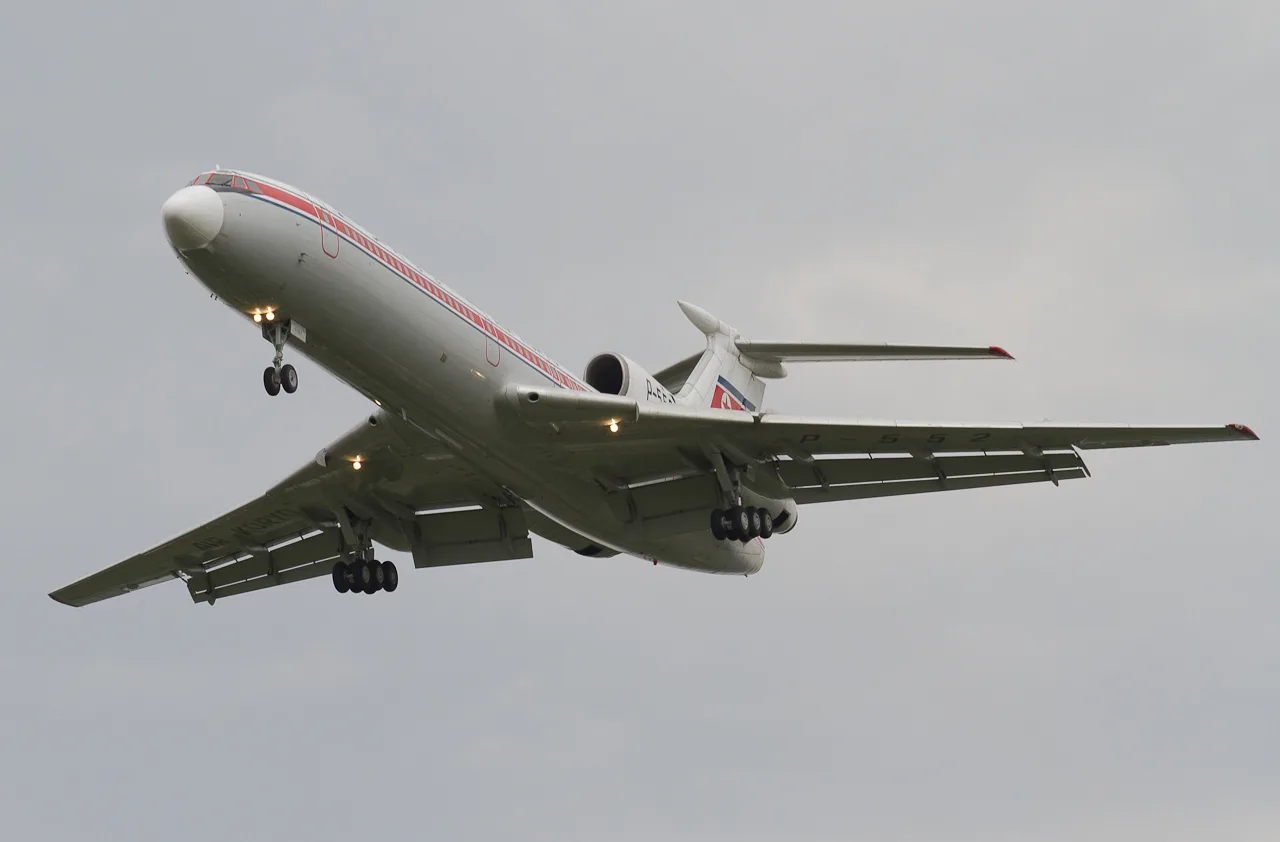
Photo 1: Pedro Aragão / Wikimedia Commons · CC BY-SA 3.0
Some text and images come from Wikipedia / Wikimedia Commons under CC BY-SA licences.