Overview
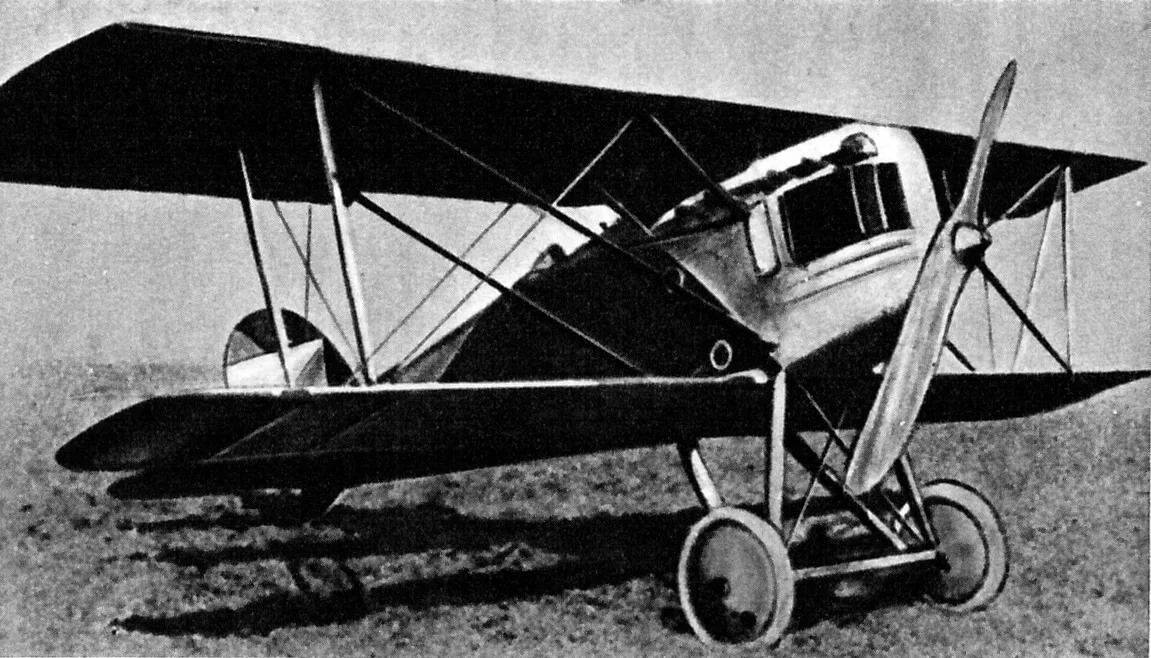
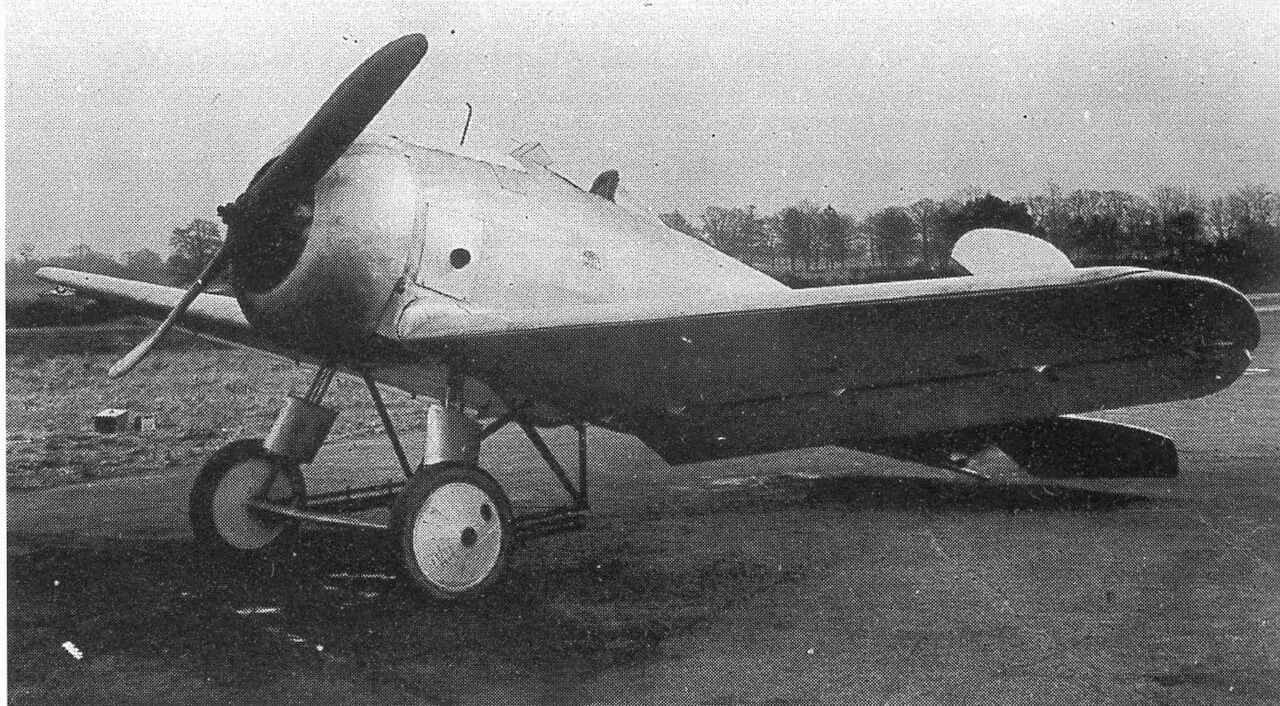
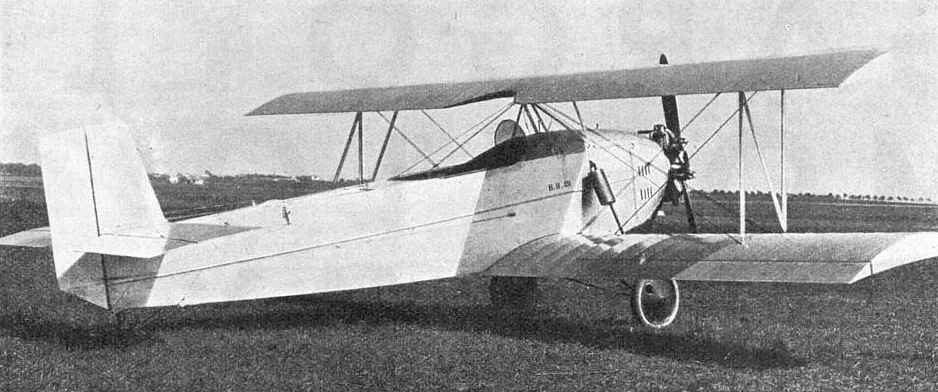
The Avia BH-7 was a prototype fighter aircraft built in Czechoslovakia in 1923. It was a parasol-wing monoplane developed in tandem with, and as an alternative to the BH-6, which shared its fuselage and tail design. Like the BH-6, the BH-7 was involved in a number of serious crashes during its test programme, which led to its abandonment as a fighter. Undaunted, however, Avia used the design as the basis for a racing aircraft, shortening the wingspan by 1.4 m, fairing the wing directly onto the top of the fuselage and dispensing with the cabane struts. This revised version was designated BH-7B and the fighter (retrospectively) as the BH-7A. When the design proved no more successful as a racer, it was finally put to rest.
Specifications
Dimensions
| Length | 6.84 m |
|---|---|
| Wingspan | 10.40 m |
Performance
| Max. speed | 240 km/h |
|---|---|
| Range | 480 km |
Figures are compiled from public sources and may be approximate; they can vary by variant and configuration.
Photos
Photo 1: neznámý (unknown) / Wikimedia Commons · Public domain
Some text and images come from Wikipedia / Wikimedia Commons under CC BY-SA licences. Source